
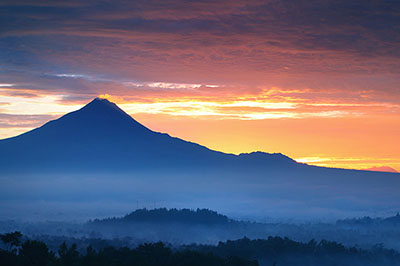
最近没有什么心情拍片子 从四月中旬到现在
期间去了杭州 金华 广州 厦门等五六个城市
相机里面一卷正片居然还没有用完
有时候 思考也是一种乐趣
我在游子的论坛上转载了一篇文章
标题是 How to Make Great Photographs
觉得也许值得大家一看
http://lyzzltnettypeb.51.net/cgi-bin/topic.cgi?forum=3&topic=121&show=0
最近没有什么心情拍片子 从四月中旬到现在
期间去了杭州 金华 广州 厦门等五六个城市
相机里面一卷正片居然还没有用完
有时候 思考也是一种乐趣
我在游子的论坛上转载了一篇文章
标题是 How to Make Great Photographs
觉得也许值得大家一看
http://lyzzltnettypeb.51.net/cgi-bin/topic.cgi?forum=3&topic=121&show=0
"Everything You Really Needed to Learn About Photography That They Didn't Teach You at Brooks"
[$copy] 2002 Ken Rockwell. All rights reserved.
PASSION
Sculptor Henry Moore said it best: "Art is the expression of imagination, not the reproduction of reality."
Photography is the art of communicating passion. You need to be passionate about whatever it is that you photograph. If you are passionate you'll get great results, if you don't care, you won't.
Photography is just like making love. It is communicating passion and sparking excitement in the mind and body of another special person about whom you care very deeply. If you don't care about the photo subject or person then the results of your efforts don't get beyond the very basic level. Care deeply and incredible things happen.
Likewise, hardware has absolutely nothing to do with any of this. Many men blame their inadequacies on their limited hardware and think that simply buying more will solve the problem, excusing them from having to expend any precious mental effort in anything other than shopping for more hardware. You'd double over laughing if you saw the email I get from this site: 99% is from men who think all they have to do is spend some money and that great images will just pour forth. You need to get involved deeply and take your feelings seriously.
You don't need money or any more equipment than you already have.It's all in your mind and imagination.
Doubly likewise, one cannot just keep doing the same thing. One needs constantly to innovate and discover new ways of doing what you've been doing.
See and feel things from different angles and in different ways.
"Imagination is more important than knowledge." Albert Einstein.
A good photographer makes great images with a disposable camera because she knows its limits and how to use it. On the other hand, plenty of poor photographs are made every day using very expensive cameras by people lacking passion and vision, regardless of how much technical skill they have and how sharp their lenses are.
"There is nothing worse than a sharp photograph of a fuzzy idea." Ansel Adams.
People write novels, not typewriters. So why do some people think buying a different camera or learning all about shutter speeds will help them make better images? People make photographs, not cameras. Your choice of camera has NOTHING to do with anything. NOTHING.
(To be continued)
参考译文 多谢ZZDIDA的辛勤工作!再次特别予以致谢!
补充一下 Albert Einstein就是爱因斯坦 搞相对论那个老头
Ansel Adams就是亚当斯 美国最著名的摄影家之一
———————————————————————————
关于摄影,你真正需要学习的东西,书本是不会教你的。
激情
Sculptor Henry Moore说得好:艺术是人们想像力的输出途径,而非真实简单机械的复制品。
摄影是摄影者内心激情表达的艺术。无论你拍摄什么,你得对它充满热诚。如果你心中充满了对拍摄对象的爱,那么你将有满意的收获;否则,你将一无所获。
摄影就好比做爱。你得想法将你内心隐藏的激情与点燃兴奋点的火花,传达到你非常在意的、能与你产生共鸣的特定对象的意念和身体上去。如果你对拍摄的主题或人物没有概念,缺乏感情,那么你得到的成品将是浮泛的。相反,如果你全心投入进去,难以置信的奇迹将会出现。
同样的,摄影的硬件设备(器材)的好坏跟是否能得到好作品完全没有关系。很多人都将他们摄影作品内涵稀缺的主因归咎到摄影器材的有限上去,并简单地认为只要购买足够的器材,问题便能得以解决。
要是你读过我从网上收到邮件,你就会更觉得可笑了:几乎有99%的人认定,他们全部所要做的事是花一些钱,然后好的相片便会源源不断地涌现。其实,你需要做的,只是认真地将自己融入到拍摄对象中去,并真诚地放入你的情感。
你现有的装备已经足矣,无需花钱去追求更多。所有的好东西,都藏在你的脑子里,躲在你的想象里。
我们不能总是重复地用同一手法做同一件事情。我们需要不断的创新和发现,用新的手法做已做过的事情。
试着从不同的角度和途径观察和感受事物。
“想象重于常理。”——Albert Einstein
一个好的摄影师使用任何的相机都能出佳作,因为她了解熟识它,并懂得最有效地运用它。而同时,既无激情又乏想象力的人们每天使用昂贵的相机,却在制造大量平庸的摄影作品,完全忽略掉他们所掌握的技艺,也不管他们的镜头本身有多敏感。
“一张清晰的照片,却表达着一个含糊的意念,没有什么比这更糟糕的了。”——Ansel Adams.
写小说的人,不是打字机。同理,为什么会有人认为买不同的相机,或掌握所有快门的速度,会有助于他们获得好作品呢?创造图象的是人,而不是相机。选择什么样的相机,跟能否拍出好东西一点关系也没有。记住,无关!
——未完待续
"Photography is bringing order out of chaos." Ansel Adams
Painting is the art of inclusion. Photography is an art of exclusion.
I'm going to spend a few sections explaining what's not important; if you already understand this then skip down to the important sections starting at "curiosity."
1.) GETTING STARTED
Don't buy anything yet. You can create magnificent images with ANY camera. Too many people think camera shopping is the first thing to do on a quest for great images. I need to explain that it's really the last. Some of us own fancy cameras because we are rich and these fancy cameras make photography more convenient. They have nothing to do with the final quality of the images.
Whatever you have is all you need, even point-and-shoot or disposable cameras. Thinking you need more makes you skip things today since you're worrying that "if you only had a..."
"Necessity is not a fact, it's an interpretation." Friedrich Nietzsche.
Go take art, painting, drawing, and design classes at your local community college. Learn to see. You may want to start by reading the books I suggest about art and composition. I never took any photo classes. Everyone learns differently; I learn by reading and doing and seeing.
The photographers whose work I admire most often are FORMer painters or at least people who majored in art; not people with computer, engineering, science or technical photography degrees.
Ask artists for help when you are starting. Ask them how to see and show them your images and ask for suggestions. They will see things that you haven't yet, and will help open your eyes to making better images.
Avoid the friend, neighbor or co-worker who knows a lot about cameras or works in computers, science or engineering. These people often have no soul and their only passion is for the equipment and technology related to photography, not about photography itself or art or expressing their imagination visually.
Likewise, forget the Internet. Starting out you need far more depth than the cursory treatments shared over the Internet and shared on my website. I'd love to help you out in person since this is all too deep to grasp over email. Learning is a two-way process, not a series of one-way emails or web reading.
Also be warned: the internet is still overloaded with the technical people who invented it. These are the last people from whom you'd want to learn, since they are usually equipment fetishists, not artists. They happen to be the ones most likely to post websites or waste their time in photo chat rooms and user groups. Beware.
Talk to professional photographers, not amateurs and hobbyists. If you don't know any pros, go look in the Yellow Pages or ask around at a professional photo lab. Some professional photographers actually enjoy their work and will talk your ear off for hours if you ask nicely.
Find people whose photos you admire and ask them. Find people whose art you admire and ask them, too. Avoid camera collectors and people who own a lot of expensive cameras. Don't talk to someone who can talk endlessly about film technology, but who never has made a photograph you admire. Talk to these engineers and you'll get so flustered worrying about your camera that you'll never get out and make good photos.
Try The Nikon School, which really is just a day-long slide show that costs $100. It covers in the very first hour more than most real photo courses teach in a semester.
Don't waste too much time studying "photography." Most "photo" classes simply waste your creative time fumbling with obsolete concepts of f/stops and film speeds. Rarely do they teach you how to go create the images you really want. It's important to be fluent with the technical concepts, but those are only a starting point. Too many people spend so much time grappling with technique that they completely forget that technique and equipment is nothing more than a small step in a very long journey in creating great images.
I teach photography very differently from the old farts. In the first 150 years, which were from about 1835 through about 1985 with the introduction of the first real Matrix exposure meters (as opposed to ordinary light meters), one needed to bridle oneself with many clumsy technical inconveniences before one could produce any photograph at all. Since it's only been about ten years now that many cameras know how to set themselves properly over a wide range of conditions, many old timers still haven't learned that for most people one may completely ignore camera settings. That's right, I usually shoot on autofocus and program auto exposure any time I can!
It's sad when people ask me to suggest a camera that fits the pathetic requirements for beginning photo classes, which usually require a totally obsolete manual camera. Good gosh, run away from those classes and learn to love your point and shoot. Automation is good: the camera is not thinking for you, it's just setting the rudiments of focus and exposure which rarely require creative thought. The auto cameras free your creative juices to concentrate on what is important, which is heat, passion, fire, composition, expression and lighting.
I suggest going out and trying to express your feelings carefully and see what you get. Once you get familiar with things you may want to seek out technical advice from someone who really knows. It's more important to go find things about which you are passionate and attempt to convey that fire through images first.
网友的掺和 :-)
[这个贴子最后由JohnLennon在 2002/05/13 11:23am 编辑]
"摄影就好比做爱。你得想法将你内心隐藏的激情与点燃兴奋点的火花,传达到你非常在意的、能与你产生共鸣的特定对象的意念和身体上去。"(摘自楼上译文)
哈哈,多好的比喻啊,在电闪火石之间,产生一个新的生命,它是你们身体的一部分,它是爱情的结晶,它是两颗生命流淌在一起产生的化合反应,是维纳斯的诞生。
如果那颗生命不是你设计、制造、生产,它长得再漂亮,即使象木村拓哉、皮尔斯布鲁斯南、年轻时的费翔、象美女小甜甜布兰尼、赫本、伊里沙白泰勒、费雯丽、秦怡,天啊,象沉鱼落雁羞花闭月,那也不关你的事儿,那是"大师们"的作品,与你的亲生儿子无关。
天啊,我相信我心中有着无穷的力量和灵感,我期望生产出世界上最美妙的孩子来,我期望把自己的激情、天赋、智慧、活力都赋予他(她),让他(她)体会生命的可爱,爱情的美丽,
可是除了一件东西外我一无所有,那就是崔健说的——《无能的力量》。
ZZDIDA再次展现了优秀的双语能力以及耐心
_________________________________________________________
“摄影是从混乱中理出头绪”。 —— Ansel Adams
绘画是内敛的艺术,摄影是外露的艺术。
我打算用几小节来解释说明什么是不重要的,如果您已经明了并接受了这一观点,那么请跳读到重要的章节上去,从“好奇心“那一部分开始阅读。
1)如何开始
还是建议您无需再添置器材装备了。您可以使用任意的相机,拍出同样绝妙的相片。太多人认为拍出好作品的第一件要做的事是摄影器材的选购。我得说明一下,这实在不算是关键的一点。因为经济允许,而且品质高的相机确实给拍摄带来了便利,有一部分人追求相机的品质。但相机的品质却无法决定相片最终的品质。
你手头上有的,便是你所需要的,不管它怎样,即使是点测光相机或傻瓜相机。如果你总在担忧“我只有这个。。。”,你就会把注意力放在器材上,而忽略了其它的。
“必需品不是事实,是借口”。—— Friedrich Nietzsche.
去学习,去你当地的社区学院,进修油画,素描和设计等课程。你也可以阅读我推荐的有关于艺术类的书籍,以此为起点。我不会开设任何有关于摄影的课程。每个人用不同的方法,通过不同的途径进行学习和提高。我的方法则是不断地阅读,实践和观察。
我欣赏的作品,它的拍摄者绝大多数以前是画家,或从事与艺术相关的职业。而非专修计算机,工程,或摄影技术等学位的人。
向艺术家请求帮助。咨询他们如何观察和展示你脑海中的图象,向他们征询意见。他们总是能留意到你没看到的东西,并帮助你打开视野,从而获得更理想的图片。
不要选择下面一类人做你的朋友、邻居或合作者。这一类人熟识各种型号的相机,或在电脑,科学或工程领域工作。但他们通常缺乏自己的灵魂,并且他们唯一的热情只是放在拍摄装备和拍摄技巧上,反倒忽略了拍摄本身的意义,及如何真切地表现他们内心的想象。
也请你忘掉网络吧。不要草率地接受网络提供的信息,甚至是我网站上的观点,你有必要从更深的层次,去追求你的所需。关于激情这一概念是深奥难懂的,我乐意通过电子邮件的方式给到你一些帮助。因为学习是一个双向沟通的过程,仅仅通过网页阅读和单向的电子邮件是不够的。
同样需要提醒的是:网络充斥着太多技术人员,他们是器材的崇拜者,而非艺术的追随者,在他们身上,你几乎学不到什么东西。他们是那样的一群人,喜欢泡在网上,并无节制地把时间浪费在聊天室。请谨惕!
争取取得与专业的摄影师对话的机会,而不要找业余爱好者。如果你没有结识任何专业的摄影师,可到黄页上去找,或到专业的摄影工作室去询问。一些专业的摄影师非常热爱他们的工作,并会很乐意地与你展开长时间的讨论,但前提是你的提问必须有深度且精细。
如果那人的图片你欣赏,那么就去找他;如果那人的艺术你欣赏,那么你也去找他。可别找那些相机收集者和拥有相当多昂贵相机的人。也尽量躲开那类人,他们能够没完没了谈论菲林技术,却从没拍出一张值得你欣赏的相片。跟这些匠人谈论的结果是:你只会对你的摄影器材越来越忧心,然后再也拍不出一张好图片了。
Nikon 的函授课程,价值 $100 的幻灯片课程,一天便能看完,可以看一下。它很适合初学者,而且强过一个学期的真正图片课程。
勿浪费过多的时间在“摄影技术”的研究学习上。大多数的“图片”课程教授陈旧的关于快门速度的观念,这只是在浪费你宝贵的摸索创造时间。想要拍到你真正想要的图片,就别听他们的胡说八道。我们确实需要掌握适当的技艺以便于拍摄,但那只是起点而已。太多的人花费过多的时间在技巧的把握上,实际上他完全忘记了,进行长途旅行的拍摄实践中迈出的一小步,远胜于他们的技术学习的提高,或器材的提升。
传统的摄影教育,我认为全是放狗屁。我对于摄影所持的观点,与其完全不同。在最初 150 年,大约是从 1835 年到 1985 年,第一部曝光仪器(不同于普通的光线仪器)出现,人们若想拍摄相片,首先必须得学会繁琐复杂的技术。而近十年,众多的相机纷纷面世,它们能够根据不同的环境和条件进行自动的设置。也就是说,现在的人们可以甚至忽略掉相机的设置了。任何时间,只要可以,我就尽量使用自动聚焦和自动曝光的相机拍摄。
当人们跑来问我,初学者该用什么相机时,我总觉得悲哀,他们看来只是想要一本关于相机知识介绍的指南手册。抛开那些念头吧,学着去爱你自己的长枪短炮。傻瓜机就行了:相机无法代替你去思考,它只为你进行自动聚焦与曝光,而这些无需多少创造性的手法。自动相机好就好在将你从聚焦与曝光等技术层面的问题中解放出来,使你得以集中精力去关注更为重要的东西,那便是,你的心灵,激情,灵感的火花,对事物的看法及表达的方式。
我的建议是,走出去,观察你所见到的东西,并通过它,试着努力认真地表达你内在的情感。之前,你已经从真正掌握技艺的人那里学到并熟悉了你想要的技艺。现在,更为重要的是,去寻找能点燃你激情火焰的东西,并尽你所能,将引发灵感火花迸现的,脑海中有如电闪的第一景象,传达出来。
——未完待续
补充一些小东西
"Painting is the art of inclusion. Photography is an art of exclusion"
这句话是一句摄影界非常经典的话 意思是:
绘画是一种加法的艺术 摄影是一种减法的艺术
绘画的时候 面对的是一张白纸 所有的东西是一笔一笔添上去的 所以是加法的艺术
摄影的时候 面对一个场景 充满了各种各样的东西 你必需选择要什么和不要什么
用最简洁的要素 构成最有吸引力的内容
这个过程是一个排除的过程 因此是一种减法的艺术
另外 I never took any photo classes 不是说作者不开设任何摄影课程
而是说他从来没有受过任何摄影的专业训练
Avoid the friend, neighbor or co-worker who knows a lot about cameras or works in computers, science or engineering. 是说不要向那些知道一大堆相机的知识或者在电脑、科研和工程领域工作的朋友、邻居和同事请教。
这两个是语义理解上的一点点小错误 不影响整体的意思
这些内容我觉得都是真知灼见 也是我所想所做的 只是我达不到他那样形成体系思想的层面
相机就是一部打字机 摄影者就是使用打字机的人 是打字的人写出了小说 而不是打字机写出了小说
因此 用P挡(程序控制曝光)和AF模式(自动对焦)的人
会更容易出好作品
thank you!
多谢金迷老师的表扬。
在翻译过程中,我已经独得了我自己的快乐。:)
晕,拜托,你老兄不要太深沉,你不上班吗?怎么有时间去那么多地方?最近没看到你的照片
这么长,人老眼花看着头晕