
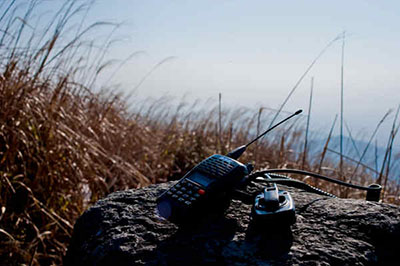
想买个好点的手台,最好带有防水功能,
看了看除了八重洲的几款明确说了防水能力。
motorola和建伍的机器大多说“符合MIL-8100C / D / E雨水, 温度, 震动, 冲击测试合格”
我在网上找了好久,也没找到这个“MIL-8100C / D / E”到底是什么标准,
防水能力到底有多少,多大的雨多长时间没问题?
请教有谁知道这个的具体指标么?谢谢!
另外请教:八崇州的vx-177 的电池有没有锂电的配?自己DIY的话,放水性会不会受影响?、
谢谢!
想买个好点的手台,最好带有防水功能,
看了看除了八重洲的几款明确说了防水能力。
motorola和建伍的机器大多说“符合MIL-8100C / D / E雨水, 温度, 震动, 冲击测试合格”
我在网上找了好久,也没找到这个“MIL-8100C / D / E”到底是什么标准,
防水能力到底有多少,多大的雨多长时间没问题?
请教有谁知道这个的具体指标么?谢谢!
另外请教:八崇州的vx-177 的电池有没有锂电的配?自己DIY的话,放水性会不会受影响?、
谢谢!
找到了 “MIL-STD-810” 标准,看内容应该是这个了。
可能最初写说明时写错了,大家抄来抄去,都按这个介绍了。
http://en.wikipedia.org/wiki/MIL-STD-810
The MIL-STD-810 series of standards are issued by the United States Army's Developmental Test Command, to specify various environmental tests to simulate conditions that the tested item will encounter in the field. The current revision, as of 2006, is revision F, issued January 1, 2000, superseding revision E from 1989. The methods listed below, along with others, simulate specific environmental conditions, and are referred to by the specification for the device. There is no certification, qualification or approval from the military although in the course of complying with a contract to supply materiel that the vendor has tested using MIL-STD-810 procedures, the procuring activity may accept such results as compliant with the contract specification.
For Instance:
MIL-STD 810E Method 500.3 Low Pressure (aka Altitude testing)
MIL-STD 810E Method 501.3 High Temperature (Both storage and operating)
MIL-STD 810E Method 502.3 Low Temperature (Both storage and operating)
MIL-STD 810E Method 503.3 Temperature Shock (How well does the device handle going from high to low temps, and back)
MIL-STD 810E Method 506.3 Rain (How does the device do in wind blown rain)
MIL-STD 810E Method 507.3 Humidity (Can the device handle high Humidity)
MIL-STD 810E Method 508.4 Fungus (device is exposed to warm moist air in the presence of Fungus to see if it grows on the device)
MIL-STD 810E Method 509.3 Salt Fog (does the device rust/fail when exposed to salt fog)
MIL-STD 810E Method 510.3 Sand and Dust (how well does the device work when exposed to sand and dust)
MIL-STD 810E Method 511.3 Explosive Atmosphere (does the device create enough sparks/etc to cause an explosive atmosphere to blow up)
MIL-STD 810E Method 512.3 Leakage
MIL-STD 810E Method 513.4 Acceleration (constant acceleration)
MIL-STD 810E Method 516.4 Shock (either Shock Response Spectrums, or Triangle/sine/square wave shocks) - also transport shock
MIL-STD 810E Method 519.4 Gunfire Vibration
MIL-STD 810E Method 520.1 Temp, Humidity, Vibration (Traditionally sine wave (pre D) - later random vibration - combined with Temp testing)
MIL-STD 810E Method 521.1 Icing, Freezing Rain