
帆船航行的原理
圖(一)
帆船的動力來源﹕
一般人對於帆船往往會有一個錯誤觀念,以為帆船是被風推著跑的。
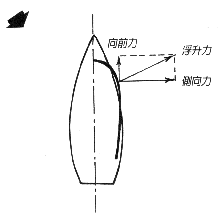
其實帆船的最大動力來源是所謂的---『白努利效應』,也就是說當空氣流經一類似機翼的弧面時,會產生一向前向上的吸引力,如圖(一)﹑(二)。
也因此,帆船才有可能朝某角度的逆風方向前進。
而正順風航行時,白努利效應消失,船隻反而不能達到最高速。
圖(二)
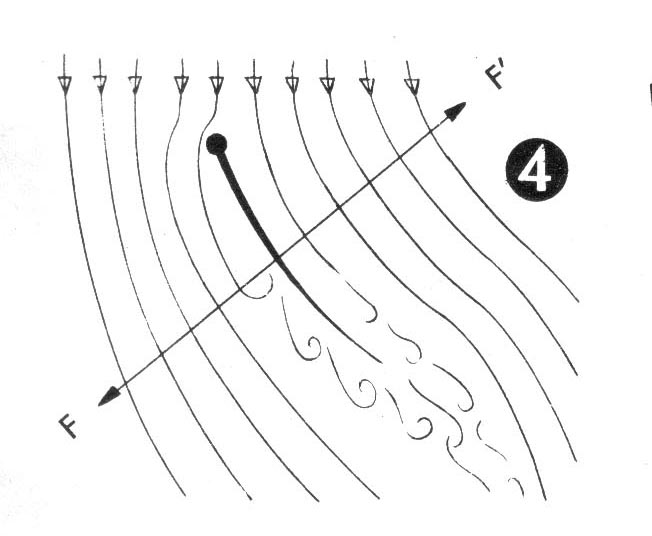
圖(四)
帆船的航向限制與效益﹕
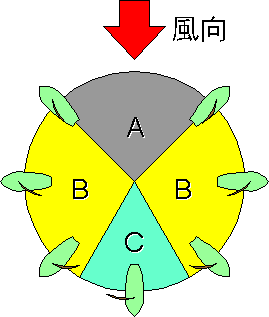
但帆船的航向也不是完全沒有限制,在正逆風左右各約45度角內,是無法產生有效益的前進力的,如圖A區。
但是太順風也不是很好的,這時白努利效應消失,船速在再度慢下來,同時也進入不穩定狀態,如圖C區。
只有B區才是最好的航行方向。
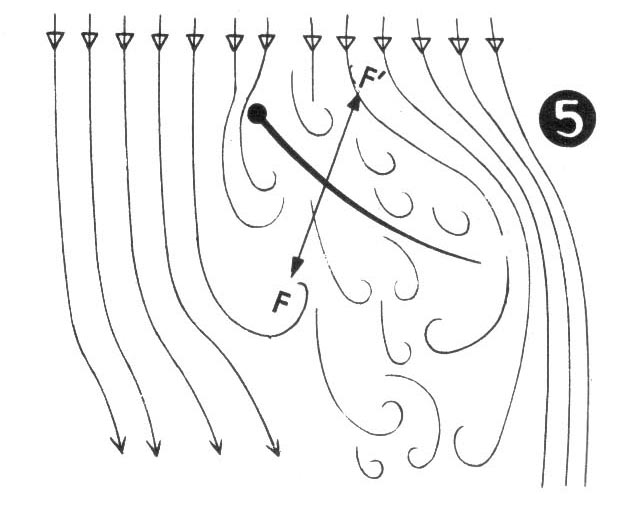
圖(五)
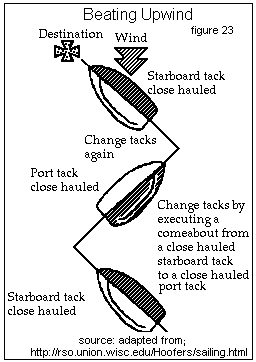
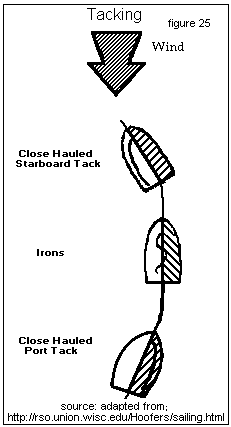
而有逆風航行能力的船,若要往逆風方向前進,必須採取Z字形的路線才能到達目的地,如圖(五)。
 原子弹
·
2005-07-15 01:25
原子弹
·
2005-07-15 01:25
帆船的動力來源﹕
一般人對於帆船往往會有一個錯誤觀念,以為帆船是被風推著跑的。
其實帆船的最大動力來源是所謂的---『白努利效應』,也就是說當空氣流經一類似機翼的弧面時,會產生一向前向上的吸引力,如圖(一)﹑
 原子弹
·
2005-07-15 01:26
原子弹
·
2005-07-15 01:26
圖(五)
而有逆風航行能力的船,若要往逆風方向前進,必須採取Z字形的路線才能到達目的地,如圖(五)。
原子弹
·
2005-07-15 01:29
---『白努利效應』,
原子弹
·
2005-07-16 00:29
风帆, 飞机机翼,水翼船水翼,舵,螺旋桨的原理是相同的。
当气(水)流过帆(翼)时,气(水)流会顺帆(翼)外形流。上流线加速,下流线减速。
能量守恒。上流线加速,减压;下流线减速,加压。这一压差形成由下至上的力。这力垂直于气(水)流方向,称为升力。
风帆是这一垂直于风向的力推动的。
原子弹
·
2005-07-16 00:40
pic
[file=2005/07/16/c1a44f6d95c86e63.zip]附件[/file]
原子弹
·
2005-07-16 00:47
----人们通常认为帆船只能沿风吹动的方向移动 - 即顺风移动。但三角帆使帆船还能够迎着风移动(逆风移动)。 在理解如何逆风移动之前,我们首先需要了解一些与船帆有关的知识。
----船帆的最先着风之帆缘称作前缘,它位于船只的前部。后部的船翼后缘称作帆的后缘。从前缘到帆的后缘的假想水平线称作弦
。船帆的曲度称作吃水,并且从弦到最大吃水点的垂直距离称作弦深。充满空气以形成凹面弯曲的船帆的一面称作迎风面。向外吹以形成凸起形状的一面称作背风面。了解了这些术语后,我们将继续介绍帆船运动。
帆船部件和术语
----船只借助帆的每一面所产生的力量沿着迎风方向移动。迎风面的正向力量(推力)和背风面的负向力量(拉力)合在一起形成了合力,这两种力量都作用于同一方向。尽管您可能不认同,但拉力确实是这两种力量中较强的力量。
----在 1738 年,科学家丹尼尔·伯努力发现,气流速度与周围自由气流成比例增加,从而导致压力的降低,而这可令气流速度更快。这种情况在帆的背风面发生 - 空气流动速度加快并在帆的后面形成低压区域。
作用于雨伞的伯努力原理
----为什么空气加速?空气与水一样,都是流动的。当风汇聚并且风被帆分开时,一些风附着在凸起面(背风面)并将帆扯起。为了其上“未附着”的空气穿过帆,帆必须向不受帆影响的气流外弯曲。但此类的自由气流往往保持其直线流动并妨碍航行。自由气流和弯曲的船帆合在一起形成了一个窄道,起初的气流必须从中经过。因为它不能自行压缩,所以空气必须加速以从该窄道挤过。这就是气流速度在帆的凸起面增加的原因。
----一旦发生这一情况,伯努力的理论就得以生效。窄道中增加的气流要快于周围的空气,并且在气流速度加快的区域压力将下降。这就产生了链式反应。随着新的气流接近最先着风之帆缘并分开,它更多地流向背风面 - 气流被吸引到低压区域并被高压区域所排斥。现在即使更大块的空气也必须更快地挤进凸起帆面和自由气流形成的窄道,这令空气压力更低。这一情况不断发展直至达到现有风力条件的最大速度,并且在背风面形成最大低压区域。请注意,只有在气流达到曲面(弦深)的最深点后气流才增加。在达到这一点之前,空气不断汇聚和加速。超出这一点后,空气分开并减速,直到再次与周围空气速度相当。
原子弹
·
2005-07-16 03:00
迎风
 原子弹
·
2005-07-16 03:08
原子弹
·
2005-07-16 03:08
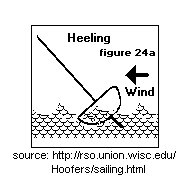
heeling
 原子弹
·
2005-07-16 03:27
原子弹
·
2005-07-16 03:27
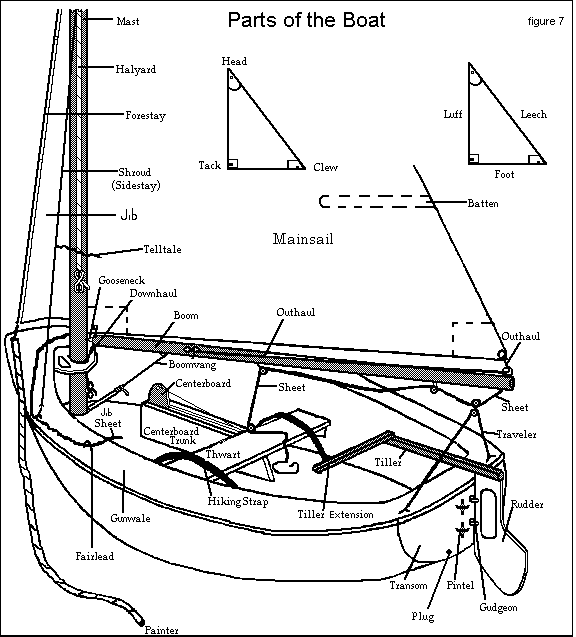
帆船术语
 原子弹
·
2005-07-16 03:30
原子弹
·
2005-07-16 03:30
迎风变航
 原子弹
·
2005-07-19 00:11
原子弹
·
2005-07-19 00:11
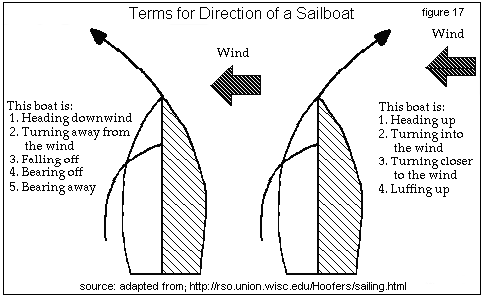
帆船方向术语
 原子弹
·
2005-07-19 02:35
原子弹
·
2005-07-19 02:35
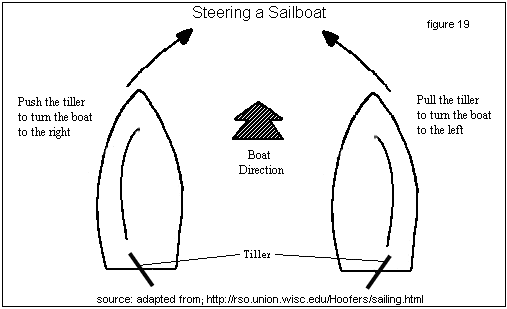
转向
 原子弹
·
2005-07-19 06:36
原子弹
·
2005-07-19 06:36
抢风改航向
 原子弹
·
2005-07-19 23:55
原子弹
·
2005-07-19 23:55
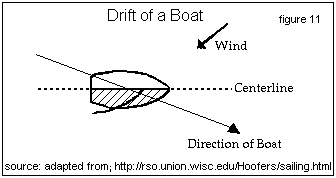
帆船实际航向是船头方向与飘移方向的矢量和.
 原子弹
·
2005-07-20 07:31
原子弹
·
2005-07-20 07:31
作用在帆上的风向,风速
是自然来风(风向,风速)
与帆船航行诱导风(风向与航向相反,风速与航速相同)
的矢量和
原子弹
·
2005-07-20 23:57
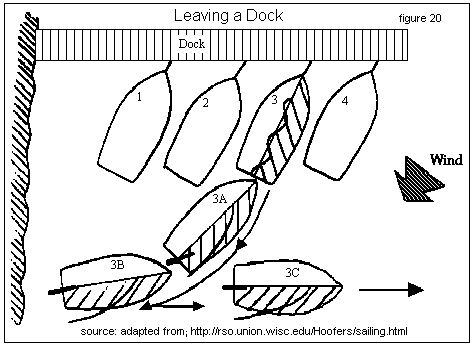
离开码头起航的方式
 原子弹
·
2005-07-21 00:08
原子弹
·
2005-07-21 00:08
前帆 ( Jib ):主桅桿前面使用的帆。
.前支索( Headstay ( Forestay ):桅桿頂向前船艏拉撐,並可將前帆扣上的鋼索。
.控帆索 ( Sheet ):主要的控制繩索,可放出或收緊及固定,本圖指前帆索。
.主帆 ( Mainsail ):升在主桅桿之後的帆。
.帆骨 ( Battens ):由帆後緣插入之扁條狀物,為維持良好帆形。
.主帆索 ( Mainsheet ):控制主帆角度的繩索。
.帆桁 ( Boom ):伸長狀,用來固定支撐主帆底部用。
.帆桁下拉索 ( Boomvang ):把帆桁往下拉緊或支撐的索具,以防帆桁向上舉起。
.桅桿 ( Mast ):由木質或鋁質做成的長桿有鋼纜支撐住,用來升降及伸展帆用。
.側支索 ( Shrouds ):用來固定桅桿側向的拉索。
.中央板 ( Centerboard ):船體下方可調整吃水深度的板(以軸心為主 前後昇降式),迎風航向時,用以保持航向穩定。
.方向舵(Rudder):用以控制船行進方向的裝置。
原子弹
·
2005-07-22 00:00
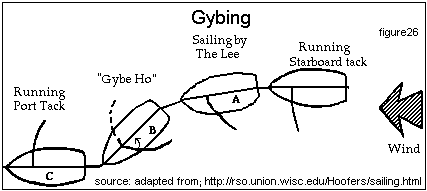
转帆改向
 原子弹
·
2005-07-24 23:57
原子弹
·
2005-07-24 23:57
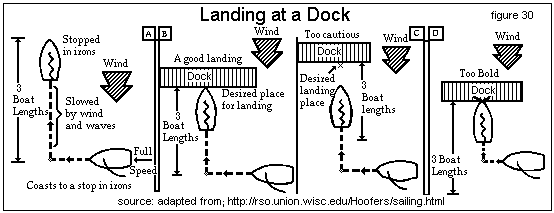
靠码头
 原子弹
·
2005-07-29 23:58
原子弹
·
2005-07-29 23:58
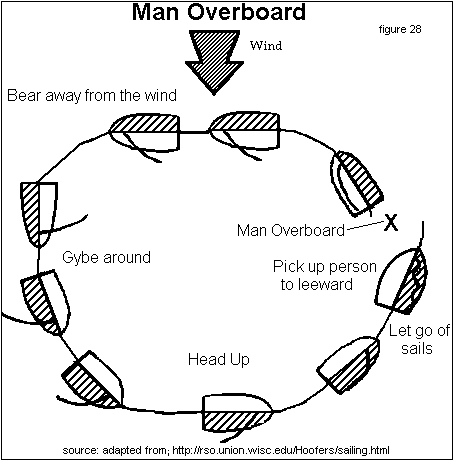
如何让水中的人上帆船
 原子弹
·
2005-08-01 00:08
原子弹
·
2005-08-01 00:08
船体的形态
单体船
双体船
三体船
气垫船
水翼艇
地效应艇
原子弹
·
2005-08-03 03:17
船舶稳性
船舶受到外力(如风、浪等)的作用而偏离原平衡位置发生倾侧,当外力消除后能自行恢复到原平衡位置的能力。稳性是与船舶安全密切相关的一项重要性能。有关规范规定了各类船舶应具备的稳性标准,所有船舶必须达到规定的指标要求。为使船舶具有良好的稳性,可采取措施降低船舶的重心,减小上层建筑受风面积等措施。船舶初稳性为船舶倾斜角小于10~15度,或上甲板边缘开始入水前的稳性,又称小倾角稳性。船舶大倾角稳性为船舶倾斜角大于10~15度,或上甲板边缘开始入水后的稳性。
原子弹
·
2005-08-03 03:19
船舶快速性
船舶以较小的功率消耗而获得较高航速的能力。为提高船舶的快速性,应尽力降低船舶的阻力,同时尽力提高推进器的推力。
船舶阻力
船舶在水中的航行阻力主要由三部分组成:摩擦阻力、兴波阻力和旋涡阻力。摩擦阻力主要与船体水下部分的湿表面积的大小,表面的光滑程度以及船舶的航速有关。兴波阻力主要与航速和船长有关。旋涡阻力主要与航速和船体水下部分的形状,尤其是后体的形状有关。除此之外,船舶总阻力中还包括船舶水下部分的各种附体,如舵、舭龙骨等,引起的附体阻力,船舶航行时受波涛的影响所产生的汹涛阻力和船舶的水上部分所受到的空气阻力。
船舶推进
船舶主机发出的功率传递至船舶推进器进而推动船舶克服阻力航行。期间存在着多种能量消耗,涉及到机械效率、传动系统效率、轴系效率和推进效率。这些效率的提高也就意味着推进效率的提高。因此,良好的推进系统可以提高船舶的快速性。其中船舶推进器的作用是非常重要的。螺旋桨是使用最广的船舶推进器。
原子弹
·
2005-08-03 03:20
船体线型
为减小船舶航行时的阻力,船体的表面一般都呈流线型的不规则光滑曲面,称为船体线型。船体线型用型线图来表示。型线图是在三个相互垂直的投影面上,以船体外型表面的截交线、投影线和外廓线表示船体外型的图样。型线图上所表示的船体形状包括外板型表面的形状和甲板型表面的形状。型线图的视图是由纵剖线图、横剖线图和半宽水线图三个视图所组成。
船体主尺度
度量船体外型大小的基本度量,简称主尺度。通常有下列几项:总长-船体型表面(包括两端上层建筑在内)最前端和最后端之间的水平距离。设计水线长-设计水线面与船体型表面首尾端交点之间的水平距离。垂线间长-首垂线与尾垂线之间的水平距离。型宽-船体型表面之间垂直于中线面的最大水平距离。型深-通常指中横剖面处,自龙骨线量至上甲板边线间的垂直距离。吃水-通常指中横剖面处,自龙骨线量至设计水线的垂直距离。
船型系数
表示船体水下形状肥瘦程度的无因次系数,与船舶航行性能有密切关系。其中有:方型系数-表示水下部分总的肥瘦程度;棱型系数-反映船体水下部分的体积沿船长的分布情况;水线面系数-反映设计水线面两端的瘦削程度;中横剖面系数-反映中横剖面的饱满程度。
原子弹
·
2005-08-03 05:57
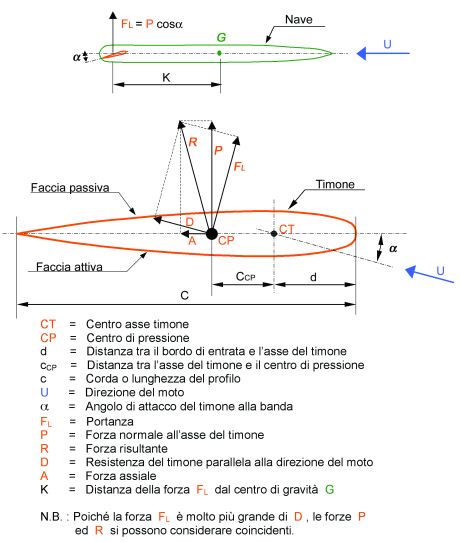
舵的原理
 原子弹
·
2005-08-03 05:58
原子弹
·
2005-08-03 05:58
舵
 原子弹
·
2005-08-03 06:18
原子弹
·
2005-08-03 06:18
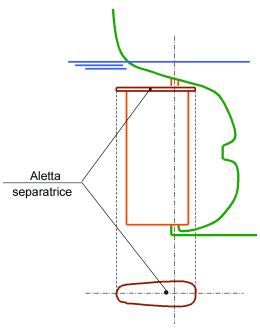
rudder
 原子弹
·
2005-08-03 07:09
原子弹
·
2005-08-03 07:09
船舶浮性
船舶具有一定重量时能漂浮于水面一定位置的能力。
空载排水量
船舶在完全建成后交船时的排水量,此时船上无货物、人员、淡水、燃料及各种消耗品。
满载排水量
空载排水量加上载重量时的排水量。
船舶操纵性
船舶能根据驾驶者的意图来保持或改变航速、航向和位置的能力。主要有:航向稳定性、回转性和应舵性。航向稳定性为船舶保持既定航向直线航行的性能。回转性为船舶改变原航向作圆弧运动的性能。应舵性为船舶回转初期对舵的反应能力。
原子弹
·
2005-08-04 02:02
船舶耐波性
船舶在风浪中遭受由于外力干扰所产生的各种摇荡运动及抨击上浪、失速飞车和波浪弯矩等,仍具有足够的稳性和船体结构强度,并能保持一定的航速安全航行的性能。
摇荡的形式
船舶的摇荡主要有下列六种形式:(1)横摇--绕船舶纵轴的往复摇动;(2)纵摇--绕船舶横轴的往复摇动;(3)首摇--绕船舶垂直轴的往复摇动;(4)垂荡--沿船舶垂直轴的上下往复运动,又称升沉;(5)横荡--沿船舶横轴的左右往复运动;(6)纵荡--沿船舶纵轴的前后往复运动。其中,横摇、纵摇和垂荡对船舶航行的影响最大,而横摇又最易发生,摇荡幅值也最大,严重影响船舶安全。
舭龙骨
装于船中两舷舭部外侧,与舭部外板垂直的长条形板材结构。是最简单而有效的减摇装置。当船舶横摇时,舭龙骨产生与横摇方向相反的阻力,形成减摇力矩,从而减小船舶的横摇。舭龙骨结构简单、造价低、效能高、便于维护,因此得到广泛的应用。
减摇水舱
船体内部左右舷连通的U型或槽形水舱。分为主动式和被动式两种。当船舶侧倾时,水在水舱中的流动产生的水柱振荡滞后于波浪振荡180度相位角,所产生的减摇力矩与波浪的倾侧力矩正好相反,从而起到减摇作用。其效果与水舱的形状、水量、位置有关。其缺点是需占用较大的容积。
减摇鳍
目前效果最好的减摇装置。装于船中两舷舭部,剖面为机翼形,又称侧舵。通过操纵机构转动减摇鳍,使水流在上产生作用力,从而形成减摇力矩,减小摇摆。该设备结构复杂,造价较高,且效果取决于航速,航速越高,效果越好,故多用于高速船舶。
载重量
运输船舶所允许装载的最大重量,包括载货量、人员(旅客和船员)及其行李、食品、淡水、燃料、润滑油、炉水、备品和供应品等的重量,又称总载重量。其中,载货量、人员(旅客和船员)及其行李的最大重量称为净载重量。载重量表征了船舶的等级大小和运输能力,是船舶的主要参数之一。
船舶吨位
又称登记吨位。根据《国际船舶吨位丈量公约》规定,丈量所得的船舶内部容积以吨位表示。船舶吨位分为总吨位和净吨位,取2.83立方米或100立方英尺为一吨位。因此,船舶吨位与以重量单位表示的船舶排水量和载重量不同。船舶吨位用于船舶登记,故称登记吨位。
总吨位
根据《国际船舶吨位丈量公约》的有关规定,丈量后确定的船舶总容积,又称总吨。以吨位表示。总吨位一般用于:表示船舶大小;表示一国或一家船公司拥有船舶的数量;计算造船费用、船舶保险费用;在有关的国际公约和船舶规范中用来区别船舶的等级以衡量对技术管理和设备要求的标准;有的国家用作造船补助金、航海补助金等的计算标准;以及用作船舶登记、检验和丈量的收费标准等。
净吨位
根据《国际船舶吨位丈量公约》的有关规定,从总吨位中减除不适于载运容、货处所而得到的船舶有效容积。以吨位表示。净吨位一般用于交付港口费、引航费、灯塔费和停泊费的计算基准。航经苏伊士运河和巴拿马运河船舶的通行税也按净吨位收费。
储备浮力
水线以上船舶主体的水密容积。当船舶由于某种原因下沉,使吃水增加,该水密容积能继续提供浮力,使船舶仍能漂浮于某一水线面而不致继续下沉或没顶。因此储备浮力是确保船舶安全的一个重要指标。储备浮力通常以满载排水量的百分比来表示,视船舶类型、航区、货运种类而不同。储备浮力的大小可用干舷的尺度来衡量。
载重线标志
船舶在不同季节和不同航区的各种最大吃水标志。船舶航行时的实际吃水不能超过规定的载重线,以此保证船舶安全航行所需的最小储备浮力。
原子弹
·
2005-08-04 08:15
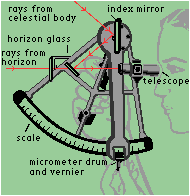
六分仪定位
 原子弹
·
2005-08-04 08:20
原子弹
·
2005-08-04 08:20
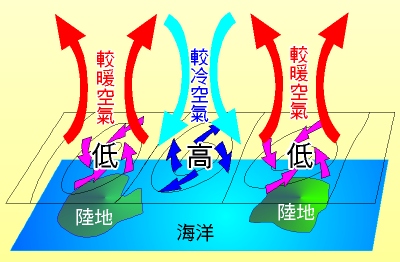
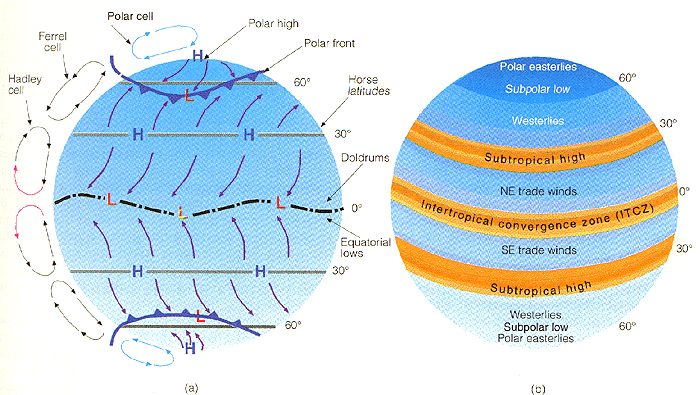
季候風是隨著季節變更,而導致風向逆轉的天氣現象。季候風 英文是 monsoon,亦即是拉丁文季節的意思。影響香港的季候風分別是冬 天的東北季風和夏天的西南季風。
陸地比海洋無論散熱和吸熱都較快。在冬天,陸地因散熱快而迅速冷卻,洲中北部地區如西伯利亞等地變得非常寒冷,而亞洲附近的海洋則相對 較暖,所以西伯利亞的氣壓相當高,而海洋的氣壓則較低。西伯利亞的冷 空氣從高壓流向低壓,抵達華南沿岸時,就成了影響我們的東北季候風。
在夏天,亞洲大陸受到太陽強烈照射,地面溫度升高,並引致上空的空氣熱後膨脹和上升,於是一個長期維持的低壓區便在亞洲中部形成。當空 氣從印度洋及中國南海吹向這個低壓區時,華南沿岸便會受到溫暖潮濕的 西南季候風的影響。
與熱帶氣旋比較,季候風一般較為持久,往往會延續多天。
 原子弹
·
2005-08-05 00:27
原子弹
·
2005-08-05 00:27
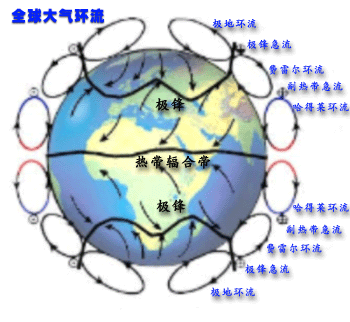
general wind system
 原子弹
·
2005-08-05 01:40
原子弹
·
2005-08-05 01:40
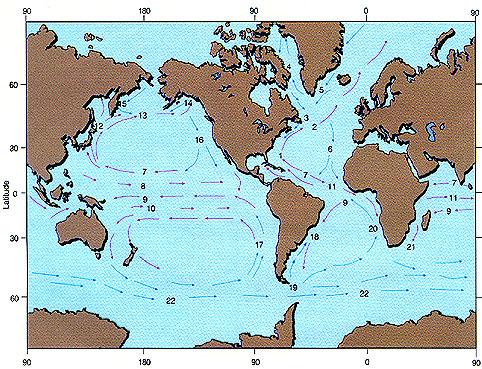
全球海流系统
 原子弹
·
2005-08-05 08:33
原子弹
·
2005-08-05 08:33
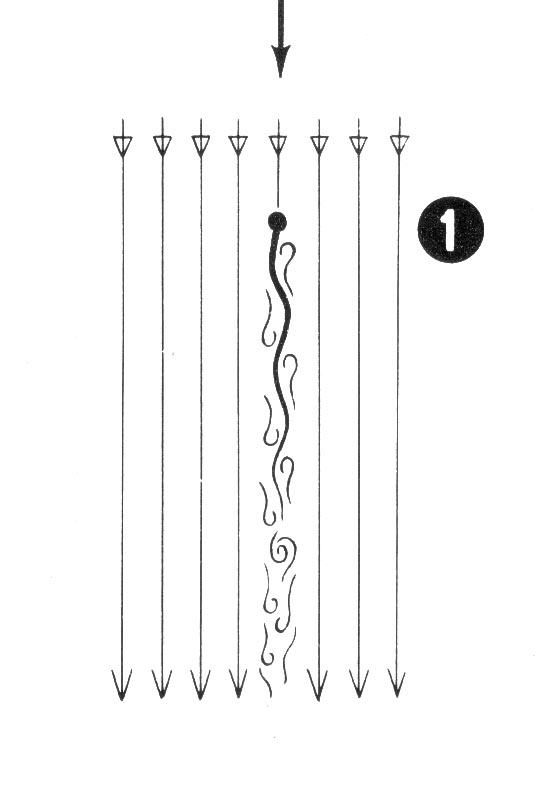
fluid lines
 原子弹
·
2005-08-05 08:34
原子弹
·
2005-08-05 08:34
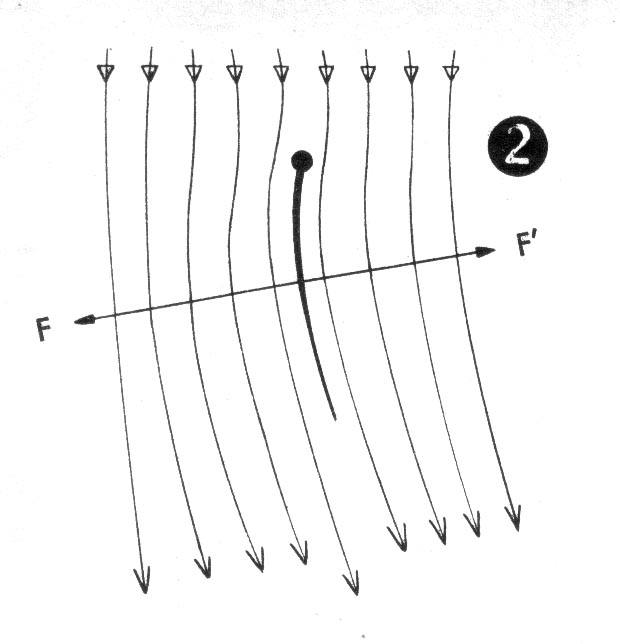
small angle, flow lines
 原子弹
·
2005-08-07 23:55
原子弹
·
2005-08-07 23:55
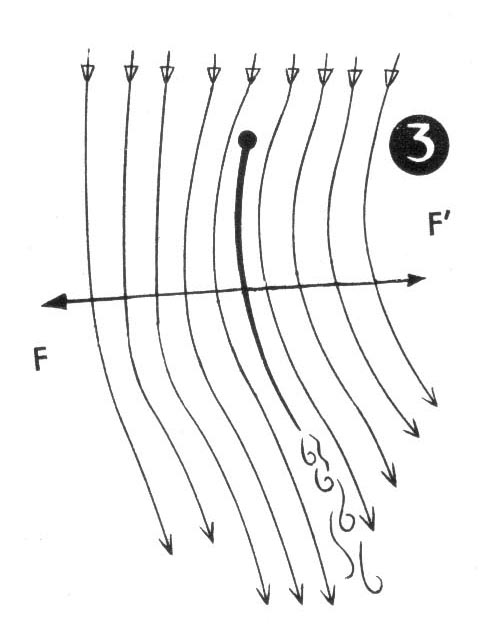
帆的最大升力角(风作用动力)35度左右
 原子弹
·
2005-08-08 23:58
原子弹
·
2005-08-08 23:58
45度出现背涡。升力下降。
 原子弹
·
2005-08-09 23:56
原子弹
·
2005-08-09 23:56
大于60度升力小,风阻力大。顺风航行,是风阻力的作用(球帆)。
 原子弹
·
2005-08-11 01:39
原子弹
·
2005-08-11 01:39
季风系统
 原子弹
·
2005-08-11 07:13
原子弹
·
2005-08-11 07:13
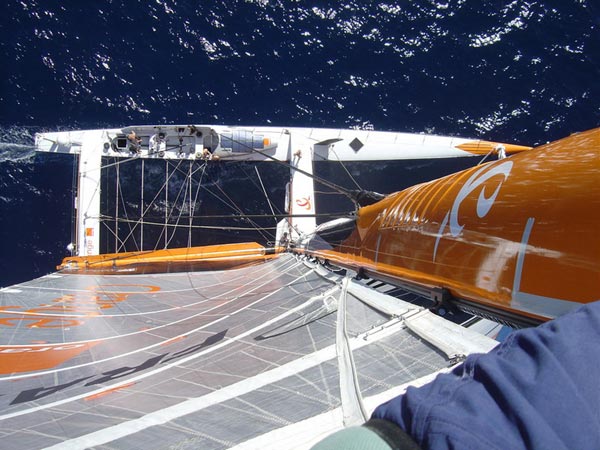
sail arrangement
 原子弹
·
2005-08-13 00:19
原子弹
·
2005-08-13 00:19
Time period
Large GM, short period, roll quick. Crew feel not comfortable. High density cargo (ore) bulk carrier.
Small GM, tender, unstable
Happy medium, 6 – 8 second.
[file=2005/08/13/5fd1b5ee4f722d6f.zip]附件[/file]
原子弹
·
2005-08-16 00:13
the extreme fore and aft length of a ship measured from the foremost point of the stem to the aftermost point of the stern; commonly abbreviated as LOA
lightweight, the weight of a ship complete with outfit and propulsion machinery, and ready for sea but without fuel, fresh water, stores, provisions, passengers or cargo on board
Dead weight ton, total weight of cargo, stores, fuel and water needed to submerge a ship from her light draught to her maximum permitted draught; it is given by the difference between the load displacement and light displacement (also known as lightweight); DWT for short
原子弹
·
2005-08-16 02:47
IMO
International maritime organization
United Nations agency
In 1948 an international conference in Geneva adopted a convention formally establishing IMO (the original name was the Inter-Governmental Maritime Consultative Organization, or IMCO, but the name was changed in 1982 to IMO).
SOLAS
IMO's first task was to adopt a new version of the International Convention for the Safety of Life at Sea (SOLAS), the most important of all treaties dealing with maritime safety. This was achieved in 1960 and IMO then turned its attention to such matters as the facilitation of international maritime traffic, load lines and the carriage of dangerous goods, while the system of measuring the tonnage of ships was revised.
原子弹
·
2005-08-17 23:57
MARPOL
The most important of all these measures was the International Convention for the Prevention of Pollution from Ships, 1973, as modified by the Protocol of 1978 relating thereto (MARPOL 73/78). It covers not only accidental and operational oil pollution but also pollution by chemicals, goods in packaged form, sewage, garbage and air pollution.
IACS
International Association of Classification Societies
11 members
a Non-Governmental Organization which was granted Consultative Status with IMO in 1969.
原子弹
·
2005-08-19 01:05
flag State
All ships must be surveyed in ordered to be issued certificates which establish their seaworthiness, type of ship, and so on and this is the responsibility of the flag State of the vessel. However, the flag State ("Administration" may "entrust the inspections and surveys either to surveyors nominated for the the purpose or to organizations recognized by it" (SOLAS Chapter 1, regulation 6).
原子弹
·
2005-08-23 00:09
Panamax
ship size with the maximum dimension capable of transiting the Panama Canal;
Maximum beam 32.3 m
maximum draught 12 m fresh water
equivalent to 55,000 dwt
原子弹
·
2005-08-23 23:57
这是航海常识。当你杨帆接近盐田港外锚地,看到的集装箱船是这一级的。4300TEU to 7000TEU.
原子弹
·
2005-08-25 05:27
船泊航行时的阻力有摩擦阻力、漩涡阻力、兴波阻力、突出体阻力和空气阻力,各种阻力随着航速的增加而变大。
摩擦阻力与船泊水下船体表面积成正比.
突出体阻力和漩涡阻力是水下船体非流线体造成的. 帆船航行时,你的手,脚在水中会使航速降低很多.
原子弹
·
2005-08-27 01:52
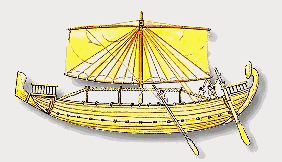
帆船之起源甚早,遠在8000年前,埃及尼羅河就已行駛一種水上工具,此種以蘆草為船體加上簡陋的帆,可說是現代帆船之祖,
原子弹
·
2005-08-27 01:53
其後經改良成為帆槳型的埃及帆船,於是船隻的機動力,不在侷限於風力了。
 原子弹
·
2005-08-27 01:53
原子弹
·
2005-08-27 01:53
到了西元前二世紀,地中海各國基於經濟及國防的需要,而致力於帆船實用性的研究,製造出一種帆槳兼用的戰艦,在甲板下分隔成1至2層,各用鐵鍊栓了一群奴隸,在風力小或基於速度上的需要,則由奴隸們,搖槳吆喝前進,活動範圍達360度,可作任何方向航行。
原子弹
·
2005-08-29 00:50
而後由於海上貿易及交通的發達,帆船一再改良,於是側風45度也能航行的羅馬商船,就應運而生。
8到11世紀,歐洲國家也製造一種帆槳型的貿易艦,性能相當好,據說此種船,在哥倫布之前,就已到過新大陸。
原子弹
·
2005-08-29 23:56
1660年英國查爾斯二世繼承王位時,人民呈獻一艘狩獵用船,名叫 ‘YACHT’成為今日遊艇的語源,在此之前,船隻都因實用性而製造,自YACHT誕生後,才開始有了遊樂用帆船,所以查爾斯就順理成章成為帆船界的始祖。
18世紀英國及歐洲的王公富豪競相以帆船來誇耀顯示自我,成為一種風氣,帆船運動逐漸蓬勃,自第一家俱樂部在英國成立以後,俱樂部之組織,猶如雨後春筍似遍佈歐洲各地。俱樂部不僅提供活動,有的還兼辦比賽,其中歷史較久比較有名的有美洲盃及海軍大將盃。
原子弹
·
2005-09-01 06:01
海浪的常识
海浪有3维浪 (深海),2维浪 (近岸)
波高,波长(波峰之间的距离)
波的表面形状的传播,波速。
波能深海以1/2波速传播。
海浪为表面波 (海啸除外),1/2波长以下水深几乎不动,当海浪来时,你潜下(0.5米),浪滚过,对你几乎无作用。
原子弹
·
2005-09-02 00:34
正如千岛湖所说,海啸由于海底地震,海岸或礁岛崩塌造成的。是整个海水的运动,对深海航行的船影响没近岸时大,近岸时水深变浅,能量聚积,形成潮汐一样的海流。
深圳见到的,通常的海浪是风成浪,为表面波。
波浪力与波浪传播方向横切面大小有关,当你推帆船出海,要保持船头迎浪,减少波浪力。
当你冲浪,要保持冲浪扳处于波浪传播方向,波峰前。此处,水体运动与波浪传播方向一致。
原子弹
·
2005-09-07 00:15
Weather
The best way to deal with the weather is to simply be aware of it. A good thing to do before a day of sailing, is to listen to the radio or read the newspaper to get an idea of what the weather will be like in a given region. Pay particular attention to when a weather system is supposed to arrive. Never sail during a storm, especially a thunderstorm. Storms bring with them winds and gusts that beginner sailors will not be able to handle. Storms can be predicted, since they are characterized by a dark sky and the formation of large vertical clouds.
The barometer is another indication of the expected weather. A falling barometer indicates possible rain or low pressure that may bring storms. A rising barometer indicates fair weather.
原子弹
·
2005-09-09 05:09
Preparing to leave
Before learning how to rig a Flying Junior there are some preliminary things to know.
Stepping into a sailboat can be tricky. Dinghies are generally very prone to capsizing. Because of this it is important to do several things first. When getting into a Flying Junior make sure that both hands are free. When stepping into the boat, step as much into the center as possible. The center board should be lowered all the way, it can be left in this position for the day. The skipper should get in first, then as the crew steps in, the skipper will balance the boat appropriately. Never step on the edge of the boat, or jump into the boat.
The position of the skipper (the individual who will steer the boat) and the crew (the individual who does not steer) are vital to sail safely. As shown in figure 18, the skipper should always be seated opposite the boom and it is the crews responsibility to balance the boat so that the hull is flat in the water. This is done to maximize the efficiency with which the boat moves through the water.
原子弹
·
2005-09-10 03:06
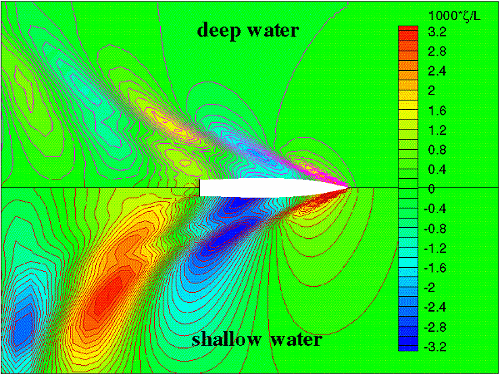
兴波阻力
深水兴波图
浅水兴波图
 原子弹
·
2005-09-13 02:54
原子弹
·
2005-09-13 02:54
The final aspect to discuss is how to steer a sailboat. It is the skipper who will control the direction of the boat by either pulling or pushing the tiller. Figure 19 outlines the way in which the skipper would use the tiller to turn either left or right.
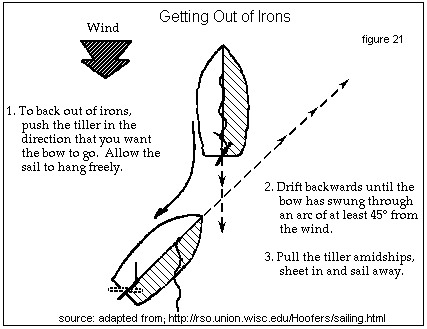
Once the crew and skipper are settled in the boat, the crew is responsible for untying the painter from the dock (figure 20, boat 3). As the boat drifts backwards, the skipper must move the bow out of Îirons. ÎIrons is when the bow of the boat faces directly into the wind. Figure 21 shows how a sailboat will get out of irons. The skipper will push the tiller as the boat drifts backwards. This causes the stern of the boat to move left, and it brings the bow out of irons.
Once the bow is out of irons (figure 20, boat 3A), the sails can be sheeted in. The wind will fill the sails (figure 20, boat 3 , and the boat will start to move forward (figure 20, boat 3C). Not all departures will be as simple or straight forward as this one, but the basic techniques are the same.
Points of sail
Points of sail refer to the position of the boat in relation to the wind. The points of sail are outlined in figure 22. There are five major points of sail: close hauled, close reach, beam reach, broad reach and run. A brief description of each point of sail will be provided.
Irons: The boat is in irons when the bow points directly into the wind. The boat is at 0¡ to the wind at this point. The angle of all other points of sail are defined by the direction of irons (at 0¡ to the wind). The sail does not catch any wind at this point of sail.
Close Hauled: Close Hauled is as close to the wind as a sailboat can sail. A boat is considered to be sailing close hauled when the bow is 45¡ from the wind. The sails of the boat should be sheeted all the way in. The term beating refers to sailing up wind by tacking (this term will be discussed later), from one close hauled position to another. Figure 23 shows a boat beating upwind.
原子弹
·
2005-09-13 06:11
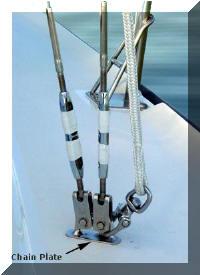
帆船止链扳
 原子弹
·
2005-09-14 02:53
原子弹
·
2005-09-14 02:53
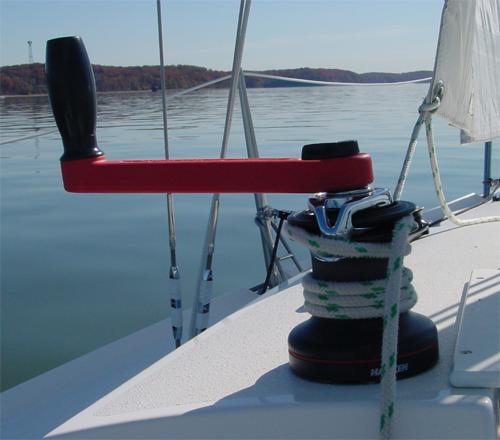
帆船手动绞盘
 原子弹
·
2005-09-20 03:05
原子弹
·
2005-09-20 03:05
A centreboard is a form of movable keel on a small sailing boat or dinghy which can be moved to lower the draught (or depth) of the vessel. Unlike a daggerboard, a centreboard is usually pivoted around a point - daggerboards lift vertically.
A centreboard is a foil that converts lateral slipping of the boat into a lateral force that resists the slipping. This is required for sailboats to move in directions other than downwind, since the force of the sail is never closer than 90 degrees to the apparent wind. Since most sailboats are symmetric along their axis of motion, the lateral force can come from either side, which means that centreboards must use symmetric foil shapes so they will operate with equal efficiency on either tack.
Since long, narrow foils are more efficient than short, wide, foils, a long, narrow centreboard will produce the least drag for a given amount of lift, resulting in a faster boat that can point closer into the wind. Long foils mean deep foils, however, which is why centreboards retract; if they did not, then the boat would be unable to traverse shallow waters. A pivoting centreboard can also be used to move the center of lateral resistance aft to match a change in sail plan such as furling or dropping the jib. A retracting centreboard is more complex than a fixed keel, and most take up space inside the hull of the boat that could otherwise be used for passenger accommodations. For this reason, it is not uncommon to find boats with combination of shallow keel and centreboard. The keel provides the housing for the centreboard, moving it out of the hull, but only adds a small amount of draft to the boat. The centreboard can then be lowered in deeper waters to increase the amount of lift.
Centreboards are often ballasted to provide additional stability when they are lowered. The ballast is placed in the lowest part of the foil, where it will provide the most stability. For this reason, ballasted centreboards are generally not locked in place when lowered; the mass of the ballast keeps them down. This also provides a measure of safety should the boat run aground--the force of impact will push the foil back into the centreboard trunk, rather than breaking it. The mass of a ballasted foil means that a system of pulleys is required to allow the sailor to lift the foil, and a method of latching the board in the upward position is needed.
Some boats have two foils mounted off centre to provide lift. These are called leeboards when they are mounted at the sides of the hull, and bilgeboards when they are mounted between the sides and the centre of the hull. The advantages of leeboards and bilgeboards is that the windward foil is lifted, which means that more efficient asymmetric foils can be used.
船底有一块可收放的稳向板。小巧、灵活、造价低、便于操纵
原子弹
·
2005-09-20 23:59
帆绳夹子
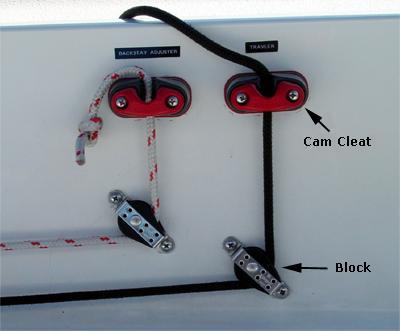 原子弹
·
2005-09-22 02:35
原子弹
·
2005-09-22 02:35
Mainsail The sail aft of the mast which is attached to the mast and the boom.
Jib The sail between the headstay and the mast. Also called the headsail. There are several sizes of Jibs.
--A Genoa Jib ( Number 1 Jib ) overlaps the mainsail and is used to provide maximum power in light winds.
--A Working Jib ( Number 2 Jib ) is a smaller jib which fills the space between the mast and headstay. It is used in stronger winds.
--A Storm Jib is a small jib ( even smaller than a Number 4 Jib ) used in heavy weather and gales.
Spinnaker A large balloon sail attached to the mast at the front of the boat. It is used when sailing directly downwind (running with the wind).
Clew Bottom aft (back) corner of the sail. (The clew is by the crew)
Cringle A grommet or metal ring in a sail though which a line is usually attached.
Head Top of the Sail.
Tack (1) The front lower corner of the sail. (2) A direction of sail - i.e. a starboard tack. (3) Coming About.
Luff (1) The forward edge of the sail. (2) The flapping of a sail when it is not trimmed properly.
Leech The aft or back edge of the sail
Roach The part of the sail which extends aft from a line running from the sail's head to the clew.
Battens Plastic or wooden slats inserted in the leech of the mainsail to help stabilize the roach
 原子弹
·
2005-09-23 06:23
原子弹
·
2005-09-23 06:23
帆绳滑轮
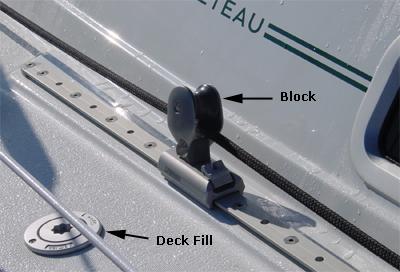 原子弹
·
2005-09-26 03:20
原子弹
·
2005-09-26 03:20
流体有限元用于帆船设计
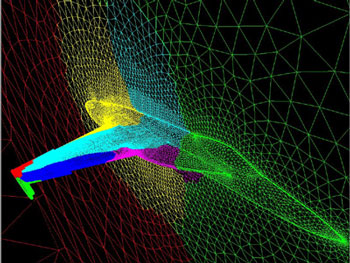 原子弹
·
2005-10-03 02:43
原子弹
·
2005-10-03 02:43
The word "tides" is a generic term used to define the alternating rise and fall in sea level with respect to the land, produced by the gravitational attraction of the moon and the sun. To a much smaller extent, tides also occur in large lakes, the atmosphere, and within the solid crust of the earth, acted upon by these same gravitational forces of the moon and sun. Additional nonastronomical factors such as configuration of the coastline, local depth of the water, ocean-floor topography, and other hydrographic and meteorological influences may play an important role in altering the range, interval between high and low water, an times of arrival of the tides.
The most familiar evidence of the tides along our seashores is the observed recurrence of high and low water - usually, but not always, twice daily. The term tide correctly refers only to such a relatively short-period, astronomically induced vertical change in the height of the sea surface (exclusive of wind-actuated waves and swell); the expression tidal current relates to accompanying periodic horizontal movement of the ocean water, both near the coast and offshore (but as distinct from the continuous, stream-flow type of ocean current).
Knowledge of the times, heights, and extent of inflow and outflow of tidal waters is of importance in a wide range of practical applications such as the following: Navigation through intracoastal waterways, and within estuaries, bays, and harbors; work on harbor engineering projects, such as the construction of bridges, docks, breakwaters, and deep-water channels; the establishment of standard chart datums for hydrography and for demarcation of a base line or "legal coastline" for fixing offshore territorial limits both on the sea surface and on the submerged lands of the Continental Shelf; provision of information necessary for underwater demolition activities and other military engineering uses; and the furnishing of data indispensable to fishing, boating, surfing, and a considerable variety of related water sport activities.
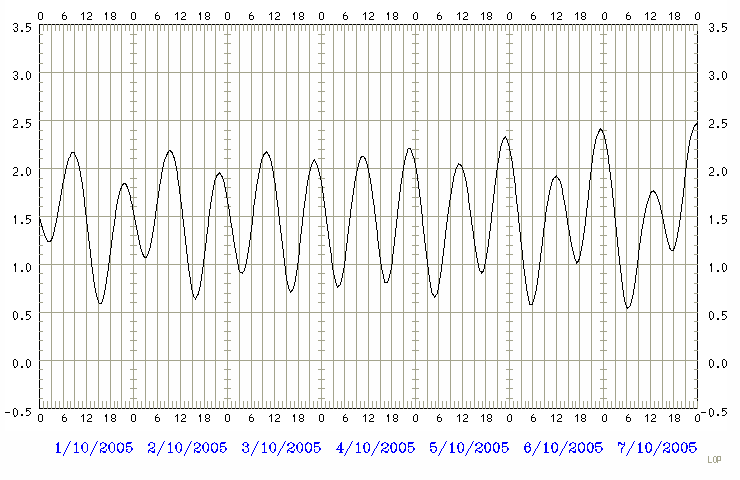 原子弹
·
2006-04-06 00:32
原子弹
·
2006-04-06 00:32
船舶操纵 Ship Controlling
船舶电力系统 Ship Electrical Power System
船舶电力系统课程设计 Course Exercise in Ship Electrical Power System
船舶电气传动自动化 Ship Electrified Transmission Automation
船舶电站 Ship Power Station
船舶动力装置 Ship Power Equipment
船舶概论 Introduction to Ships
船舶焊接与材料 Welding & Materials on Ship
船舶机械控制技术 Mechanic Control Technology for Ships
船舶机械拖动 Ship Mechanic Towage
船舶建筑美学 Artistic Designing of Ships
船舶结构 Ship Structure
船舶结构力学 Structural Mechanics for Ships
船舶结构与制图 Ship Structure & Graphing
船舶静力学 Ship Statics
船舶强度与结构设计 Designing Ship Intensity & Structure
船舶设计原理 Principles of Ship Designing
船舶推进 Ship Propelling
船舶摇摆 Ship Swaying
船舶摇摆与操纵 Ship Swaying & Manipulating
船舶振动 Ship Vibration
船舶阻力 Ship Resistance
船体建造工艺 Ship-Building Technology
船体结构 Ship Structure
船体结构图 Ship Structure Graphing
船体结构与制图 Ship Structure & Graphing
船体振动学 Ship Vibration
船体制图 Ship Graphing
船用电器设备 Marine Electrical Equipment
原子弹
·
2006-04-26 08:21
Each classed vessel is subject to a specified program of periodic surveys after delivery. These are based on a five year cycle and consist of annual surveys, an intermediate survey and a class renewal/special survey (held every 5 years). The rigor of each specified survey increases with age of the vessel.
The class renewal survey/special surveys include extensive out of water (docking) examinations to verify that the structure, main and essential auxiliary, systems and equipment of the ship remain in a condition which satisfies the rules. The examination of hull, by ultrasonic thickness measurements and the witnessing of test by attending surveyor. Depending on the age, size, type and condition of the vessel, the special survey, with listed items, may take several weeks to complete.
The intermediate survey, held approximately half way between special surveys. Docking may be required depending on the type end age of ship. The ultrasonic thickness measurements need to be done where as specified by attending surveyor.
At the time of annual survey, which take from few hours to a few days to complete, the ship is generally examined.
原子弹
·
2006-05-09 08:22
Basic Ship principals
Length Overall
Lwl length at design water line
Lpp length between perpendiculars
B beam (at middle ship)
D depth (keel to main deck)
T Draft (keel to water line)
Typical ship size
Panamax
Post panamax
Suezmax
Malacca-Max
Types of vessels
Container ship
Bulk carrier
Oil tanker
LNG/LPG
Liquidfied natural / petpoleum gas tanker
Tug
Dredger
Cable ship
UTS Ultimate tensile strength N/mm2
Proof strength N/mm2
Elon Elongation, %
N/mm2 = 0.102 kgf/mm2
MCR
Maximum continuous rating
RPM
Revolutions per minute
原子弹
·
2006-05-13 03:58
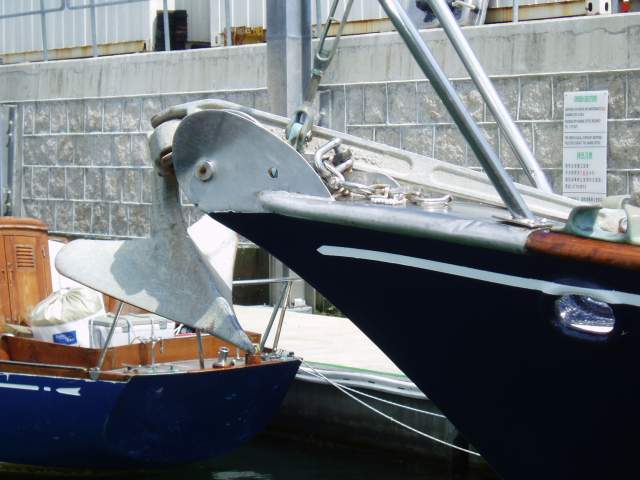
锚
原子弹
·
2006-05-16 06:52
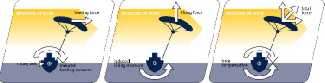
kite tug for container vessel
heeling & rolling
原子弹
·
2006-05-16 07:41
it can outfit a ship with a kite system for between €400,000 and €2.5m, depending on the vessel's size.
made of a type of nylon similar to that used in the sails of modern windjammers, but they fly between 100 and 300 metres above sea level, where winds are less turbulent and, on average, more than 50% stronger than the winds that sails capture.
An autopilot computer adjusts the height and angle of the kite, the surface area of which can range from 760 to 5,000 square metres.
When the wind blows too strongly, one end of the rectangular kite is released so that the kite flaps like a flag.
A powerful winch retrieves the kite when necessary.
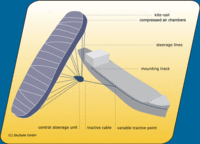 原子弹
·
2006-05-18 01:02
原子弹
·
2006-05-18 01:02

帆具
主mast
原子弹
·
2006-05-18 23:51
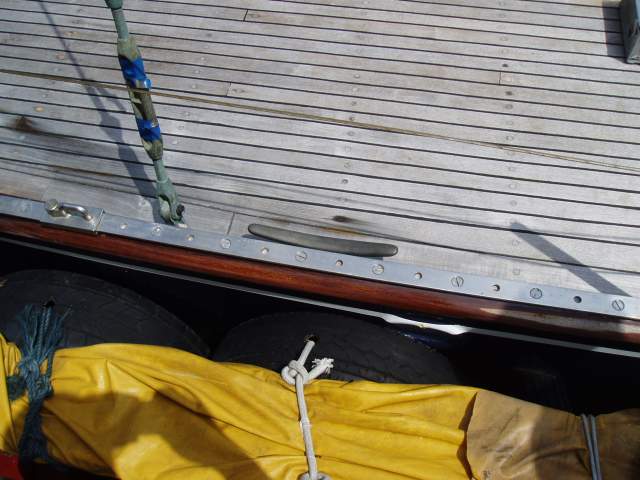
系缆桩
原子弹
·
2006-05-22 00:23
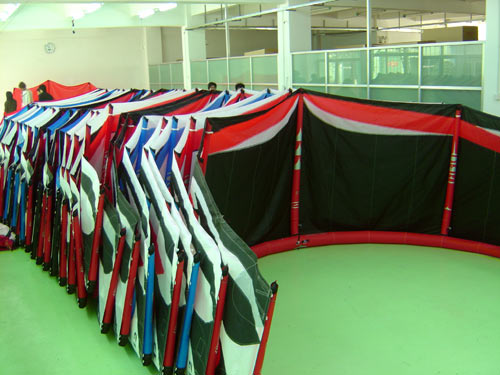
kite in store
原子弹
·
2006-05-22 23:59
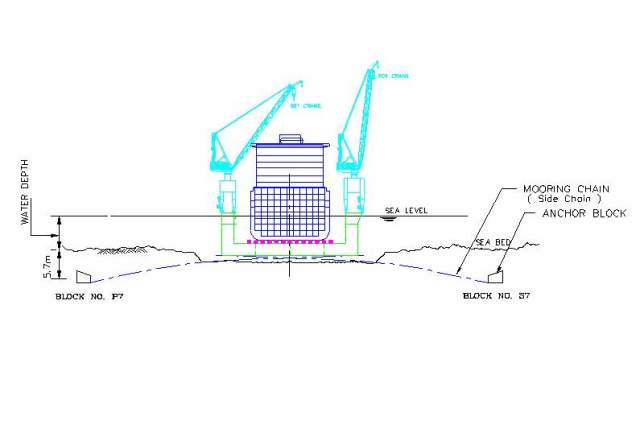
坞修
原子弹
·
2006-05-24 01:28

船体的电蚀过程
原子弹
·
2006-05-25 00:08
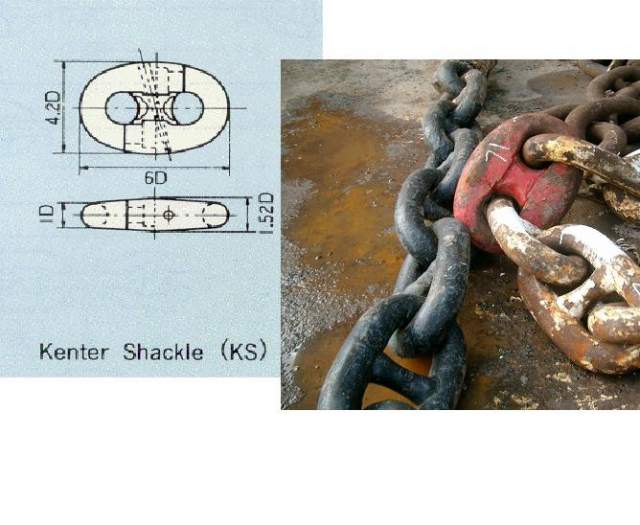
锚链
原子弹
·
2006-05-25 23:57
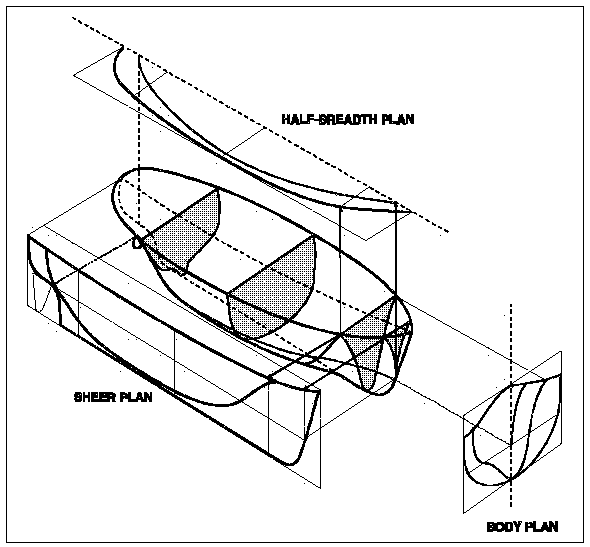
帆船体
3视图
原子弹
·
2006-05-26 01:21
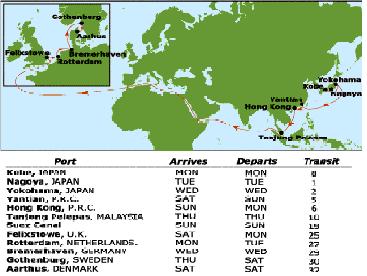
环球航线
原子弹
·
2006-05-29 01:21
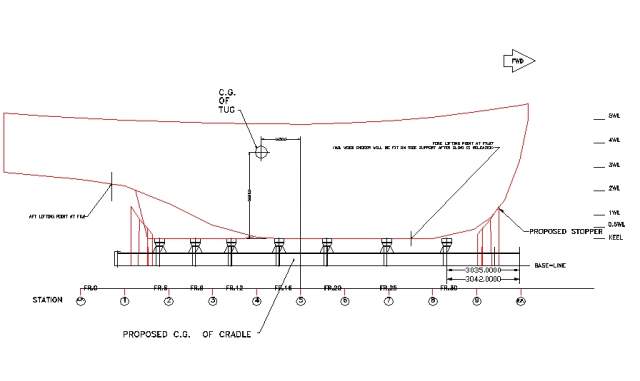
帆船上排
原子弹
·
2006-06-01 07:05
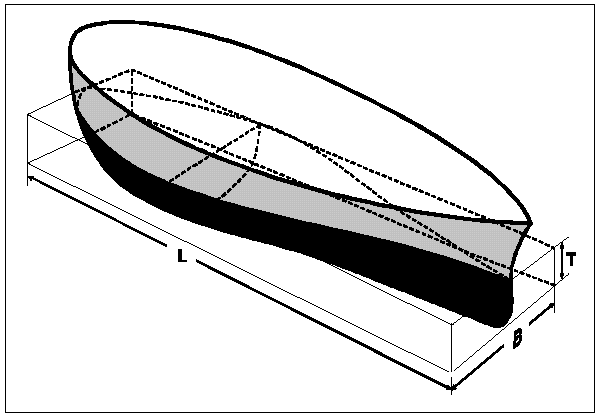
纵向棱形系数
也可以科学的用无因次系数描述girl体形
原子弹
·
2006-06-03 01:31
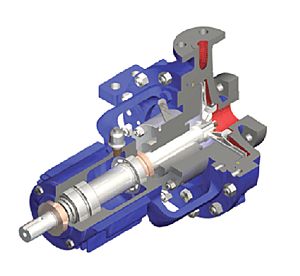
帆船
常用泵
离心泵
原子弹
·
2006-06-05 06:56
Screw pumps are a unique type of rotary positive displacement pump in which the flow through the pumping elements is truly axial. The liquid is carried between the screw threads on one or more rotors.
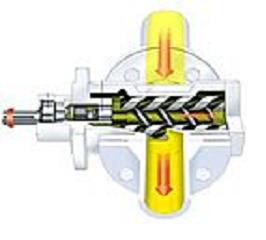
帆船常用泵
screw pump
原子弹
·
2006-06-08 02:53
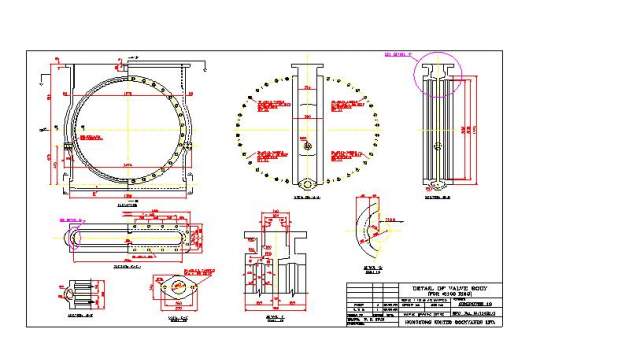
帆船常用阀门
原子弹
·
2006-06-09 01:54
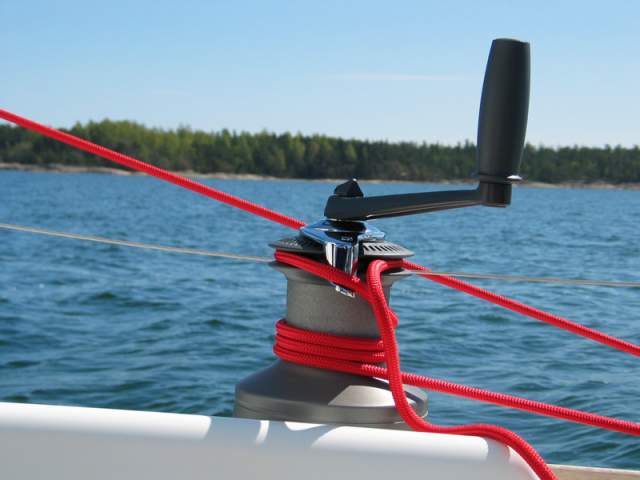
rope winch
原子弹
·
2006-06-12 00:27
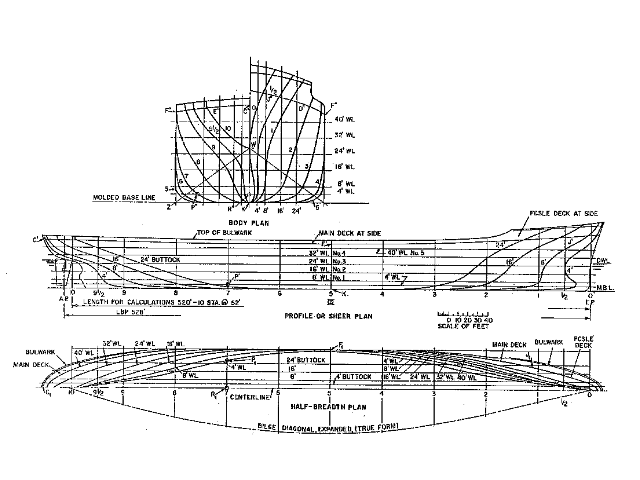
线形图
保证帆船船体流线形,like girl's body
原子弹
·
2006-06-14 05:16
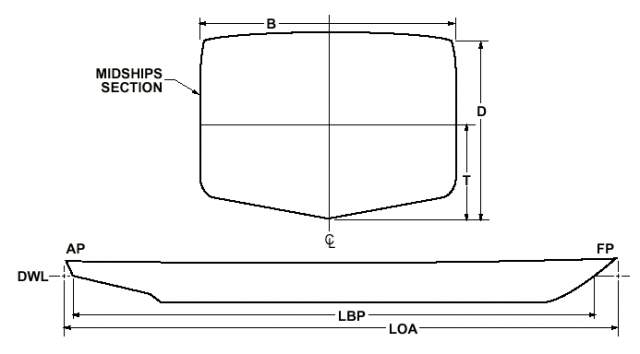
主尺度的定义
原子弹
·
2006-06-24 01:00
帆船上排维修基本技术图纸
Docking repair drawings
General Arrangement
Length Beam
Light weight, docking weight and docking draft
Docking Plan
Light weight curve
Block arrangement
Middle ship section
Lines
Bottom plan
Position of
Sea chest
Bottom plug
Echo sounder
Speed log
Overboard pipe
Zinc abode
Impressed current cathodic protection
Tank arrangement
Capacity plan with DWT scale
Shell expe
Hull steel renew
High pressure wash area, sand blasting and painting area.
原子弹
·
2006-08-28 23:53
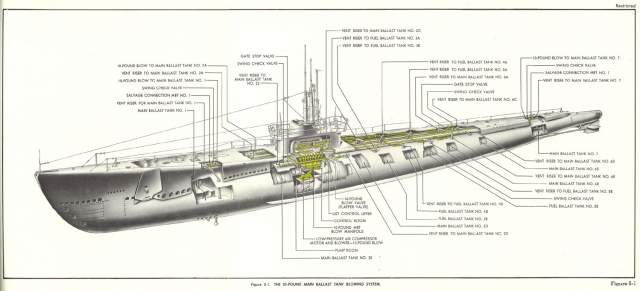
潜浮原理
原子弹
·
2006-09-01 08:33
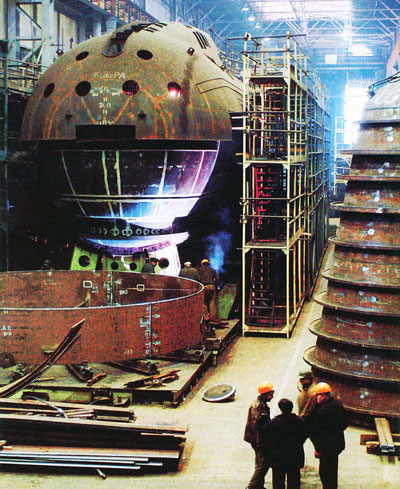
潜艇耐压结构
原子弹
·
2006-09-09 02:32
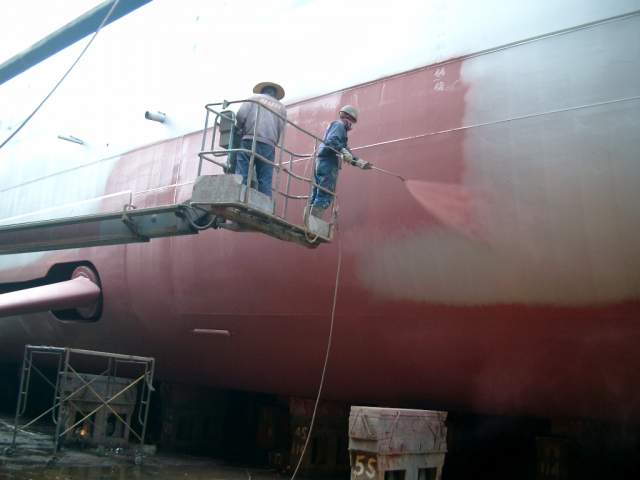
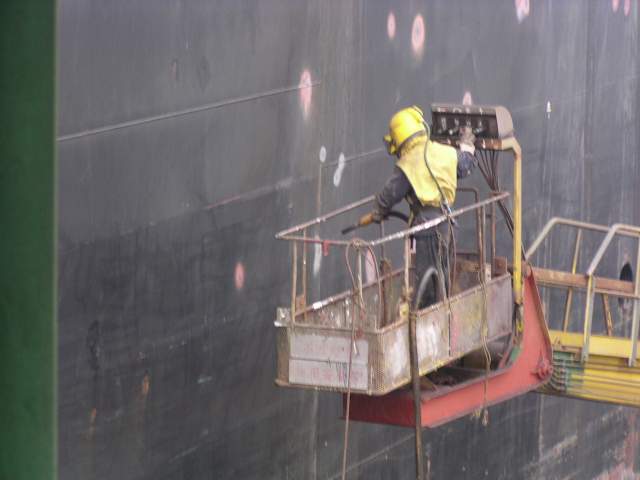
帆船船体保养
打砂,油漆
 原子弹
·
2006-09-11 02:07
原子弹
·
2006-09-11 02:07
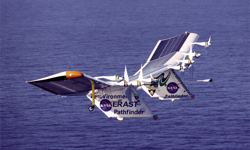
太阳能风帆
原子弹
·
2006-09-15 06:01
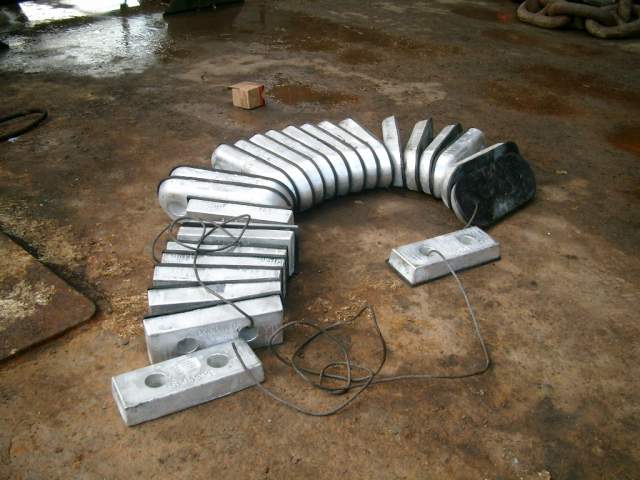
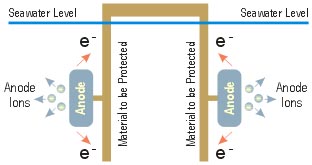
帆船的阴极保护
锌块

 原子弹
·
2006-09-22 08:19
原子弹
·
2006-09-22 08:19
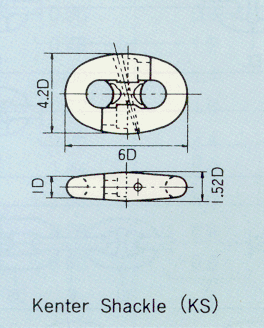
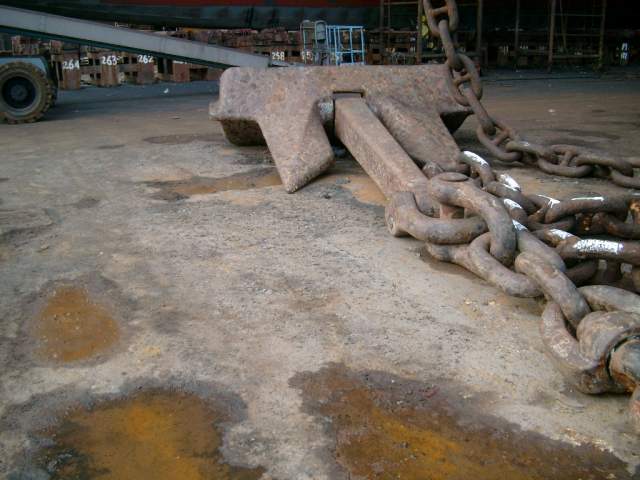
锚和锚链
原子弹
·
2006-09-29 05:11
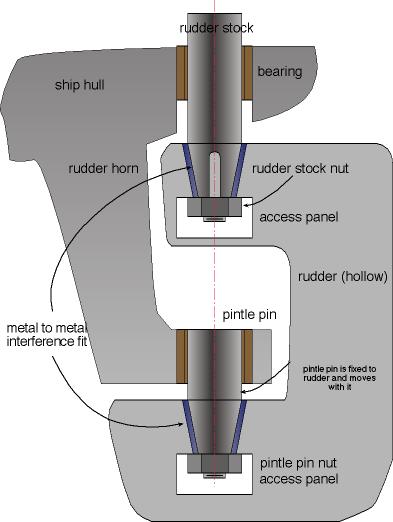
舵的安装
原子弹
·
2006-10-06 00:12
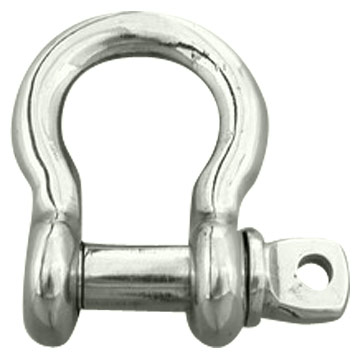
shackle
帆具
原子弹
·
2006-10-12 03:05
单向球阀check valves
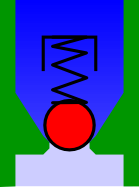
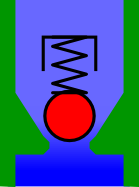 原子弹
·
2006-10-25 00:09
原子弹
·
2006-10-25 00:09
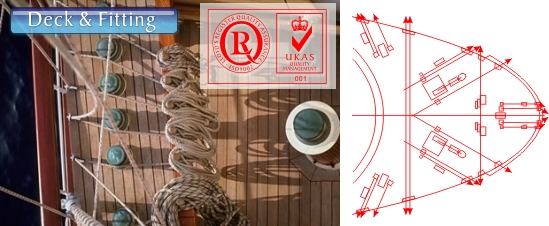
锚泊缆具布置
别搞那么专业
通俗点
船翻了?
扳回来!
中毒很深嘛,你和小瓶子还是每周都去吗?
hikerMM
我和小瓶子还是每周都去
有意思,但看得会想睡觉.
注意理论始终是理论,流\风\海浪\船体平衡\陆地等
还有许多因素都要归入考虑
切不要理论脱离实际.
因为不同的船有不同的表现,
现在许多艇都可以跑30度近风角而不是45度了,
就J也可以跑到40度左右,而不顶风失速
其实原理都很简单,深入浅出就好.
鱼儿,你有时间也去玩玩470什么的小船.
小船学起,灵敏度高,相对反应力也要高,
上了大船控帆,掌舵感觉会更好.
力
楼主辛苦!
学习中!
有用的东西,谢谢。
跟我们滑朔飞行的原理一样!周来去金沙湾观摩!体验!!!
又复习了一次俺的专业
应该考虑往这边靠拢。
sailboat
学习中
Panamax ship size with the maximum dimension capable of transiting the Panama Canal; Maximum beam 32.3 m maximum draught…
This also "帆船航行的原理 "???
海浪的常识 海浪有3维浪 (深海),2维浪 (近岸) 波高,波长(波峰之间的距离) 波的表面形状的传播,波速。 波能深海以1/2波速传播。 海浪为表面波 (海啸除外),1/2波长以下水深几乎不动,当海浪来时,你潜下(0.5米),浪滚过,对你…
这个就是小水线面船的理论根据。。。
海啸是一种具有强大破坏力的海浪,它是由于海底地震造成的海地区水面突发巨大的涨落现象。这种波浪运动引发的狂涛骇浪,汹涌澎湃,它卷起的海涛,波高可达数十米。这种“水墙”内含极大的能量,冲上陆地后所向披靡,往往造成对生命和财产的严重摧残。海啸为长波,波长可达数百公里。海水运动具有很大能量,传播速度可达500km/h,因能量集中,波高可达10~20m以上,可造成巨大灾害。据海啸资料记载,世界70%左右的海啸发生在太平洋沿岸地区。
真好!

原子弹 wrote:
"Panamax
ship size with the maximum dimension capable of transiting the Panama Canal;
Maximum beam 32.3 m
maximum draught 12 m fresh water
equivalent to 55,000 dwt
This also "帆船航行的原理 "???
这是航海常识。当你杨帆接近盐田港外锚地,看到的集装箱船是这一级的。4300TEU to 7000TEU."

This is two different stories. The first part is "帆船航行的原理 ", But the other you mention most like for commericial vessel or boat design. Is not "帆船航行的原理".
Pleasure boats should not get too close to commercial vessels! Especially on narrow channel. Because Steering a big vessel is not as easy as your sailboat. Big vessels under way can make huge wave & vortex that you can not imagine.
All vessels go through panama canal must have certified local pilot onboard. You should at least have 4 crew on board your vessel for line handling. Most pleasure vessels owner will hire local guys as crew members. They will help you hang fenders and docking. You are not allow sailing or motoring your boat in panama canal by your own.
For "航海常识". First thing you should learn is safty of all.
International maritime organization
United Nations agency
In 1948 an international conference in Geneva adopted a convention formally establishing IMO (the original name was the Inter-Governmental Maritime Consultative Organization, or IMCO, but the name was changed in 1982 to IMO).
太复杂了。
希望有些简单易懂的理论出台。
潮汐
想把帆船航行的原理作成动画
有愿合作的吗?